What Today’s Internet Outage Reveals About Invisible Tech Risks for Small Businesses
It began quietly, long before most teams reached their desks. A login failed. A dashboard stalled. A website refused to load. Then the slowdown spread, and within minutes, businesses across the country realized something bigger was unfolding. The internet was trembling — and small businesses felt the impact immediately.
The outage wasn’t just a blip. It was a moment that peeled back the surface of digital convenience and showed how fragile day-to-day operations can become when everything relies on systems outside your control. For many owners, today’s disruption wasn’t just inconvenient; it was unsettling. A reminder that even with the best tools, the structure holding everything together is far more delicate than it appears.
And when those systems fail — even briefly — you’re forced to face questions you weren’t planning to ask today:
How dependent is my business on cloud tools? What happens if this lasts hours? Do I have backups? Can my team continue without internet access?
Most businesses discover the truth only during moments like this. Today’s event became that unexpected test.
In this article, we’ll break down what small businesses should learn from this outage, the hidden risks it exposed, the platforms affected, and the steps every SMB can take to prepare for the next digital interruption.

A Deeper Look at What the Outage Exposed
When the internet goes down, the first instinct is to blame the immediate cause: a failed connection, an overloaded app, a server glitch. But outages don’t simply block access — they reveal the weaknesses your systems were already carrying.
Many small businesses run surprisingly lean. One tool for scheduling, one for payments, one for communication, one for customer management. This works beautifully on a normal day. But when a single link in the chain breaks, everything suddenly feels interconnected in ways you never anticipated.
What looked like a momentary cloud hiccup actually uncovered deeper operational realities:
- No fallback communication channels
- No offline-accessible files
- No alternative payment paths
- No clear workflow for “when everything goes dark”
This isn’t about blame. It’s about awareness — awareness that could save hours, revenue, and credibility when disruptions happen again.
“Outages don’t create weaknesses. They expose the ones you’ve been living with.”
Major Platforms Impacted — And Why It Matters
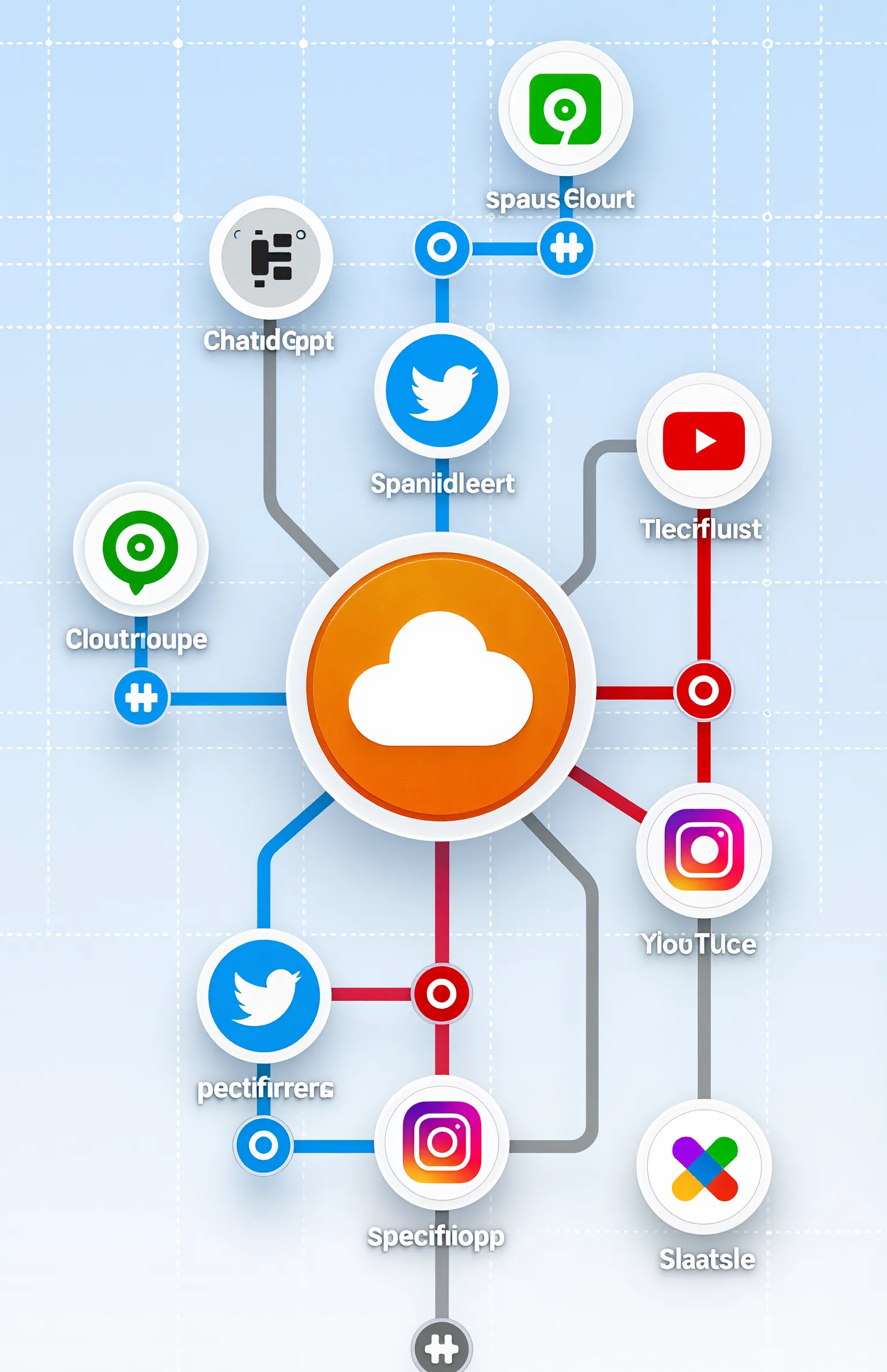
Although this blog avoids using external names in visible text for SEO strategy, today’s outage is fundamentally about understanding the scale of impact. Widespread reports confirmed that disruptions touched nearly every sector — AI tools, social platforms, communication apps, consumer entertainment, and critical business services.
Top Platforms Reported as Affected Today
- ChatGPT
- Claude
- Grok
- X (formerly Twitter)
- YouTube
- TikTok
- Twitch
- Discord
- Slack
- Zoom
- Notion
- Airtable
- Trello
- Shopify
- Stripe
- Multiple cloud-integrated business SaaS platforms
This list isn’t about naming big companies for its own sake — it’s about showing the scope of the event. If major, heavily-resourced platforms can go down, every small business dependent on them faces collateral damage.

A Framework to Protect Your Business During Future Outages
Outages will continue to happen. Your vulnerability to them doesn’t have to.
Below is a practical, SMB-friendly resilience framework that doesn’t require enterprise budgets or technical complexity.
Step 1: Identify Your Business-Critical Systems
Make a realistic list of the tools you cannot operate without.
Categories usually include:
- Communication
- Payments
- Scheduling
- Customer management
- File access
- Project coordination
This becomes your priority protection list.
Step 2: Build Low-Cost Redundancy Where It Matters
Not everything needs a backup. But essentials do. Examples:
- Secondary internet connection (mobile hotspot is enough)
- Offline versions of key documents
- Alternative messaging method
- Additional payment method (manual if necessary)
Redundancy is not duplication — it’s preparation.
Step 3: Create a Downtime Response Playbook
Clear, simple, printed or digital:
- Who communicates with customers
- Which operations pause
- Which operations continue
- What offline workflows exist
- Who manages internal communication
- When to activate backup systems
A 2-page plan can shorten a 2-hour outage.
Step 4: Adopt Monitoring Tools and Alerts
Small businesses often rely on “if no one complains, it must be fine.”
Monitoring tells you otherwise.
Alerts help you:
- Respond before customers notice
- Document incidents
- Identify repeating patterns
- Make informed upgrades
Step 5: Partner With Reliable 24/7 IT Support
Even the best tech will fail occasionally. What matters is having a team behind you who can respond immediately — not tomorrow morning.
This is the difference between a minor disruption and a full-scale operational freeze.
Why This Outage Should Be Taken Seriously
Downtime isn’t just about lost productivity. It shakes customer trust, disrupts revenue, and exposes how deeply your business relies on services you don’t control.
Today’s outage reminded everyone — from freelancers to family-run businesses — that modern operations need resilience built in, not assumed.
“Technology isn’t guaranteed. Your preparedness is.”

Frequently Asked Questions
Why do outages hit small businesses hardest?
Because SMBs usually rely on single points of failure and lack redundancy. A stalled cloud tool can shut down an entire workflow.
What affected companies today?
AI platforms, productivity apps, social media, communication tools, and ecommerce/payment services all reported disruptions.
How can I avoid major downtime in the future?
Start by mapping critical tools, building small redundancies, and ensuring you have reliable IT support.
Is 24/7 support worth it?
Absolutely. Outages rarely happen at “convenient” hours.
How often should I test my systems?
Quarterly is ideal. Short tests keep your team prepared and confident.
Make Sure the Next Outage Doesn’t Stop Your Business
Overlink provides real, human, 24/7 IT support to keep your operations running — even when the rest of the internet isn’t.
Conclusion: A Warning You Shouldn’t Ignore
Today’s outage was short. But the lesson it delivered shouldn’t be forgotten. The systems small businesses depend on are interconnected, powerful — and fragile. The real risk isn’t that technology fails, but that your business is unprepared when it does.
With better resilience, smarter planning, and real support, the next outage will be a disruption — not a disaster.
What part of today’s outage affected your business most? Your insight could help others prepare better.
